Why Industrial Companies Need Hazmat Safety Officer Training

In industries where hazardous materials are a part of the daily operations, the role of a Hazmat Safety Officer is indispensable. Ensuring the safety of the workplace, compliance with regulations, and effective response in emergencies, these professionals are crucial in managing the risks associated with hazardous materials.
Importance of Hazmat Safety Officer Training
Hazmat Safety Officers hold key responsibilities that extend beyond routine safety checks. They are tasked with assessing hazardous conditions, developing emergency response strategies, and maintaining overall risk management. Proper training provides these officers with the necessary expertise to enforce safety protocols effectively, ensuring that all operations comply with the latest health, safety, and environmental regulations. This training is essential in preparing officers to handle unexpected hazardous situations confidently and competently.
Industries That Require Hazmat Safety Officer Training
Several key industries require dedicated Hazmat Safety Officers to oversee the handling, transportation, and disposal of dangerous materials:
Chemical Manufacturing: This industry deals with various hazardous substances where the risk of spills or accidental exposure can have severe consequences. Hazmat Safety Officers ensure that proper handling and storage procedures are followed to safeguard health and the environment.
Petroleum and Gas: From drilling to refining, the oil and gas industry faces constant risks of fires, explosions, and chemical leaks. Trained safety officers are critical in implementing safety standards and emergency responses that prevent accidents and minimize impacts.
Pharmaceuticals: In pharmaceutical manufacturing, handling active chemical compounds requires stringent safety measures. Hazmat Safety Officers ensure these compounds are managed safely to prevent contamination and protect worker health.
Transportation and Logistics: Companies in this sector are involved in moving hazardous materials over long distances. Safety officers ensure compliance with shipping regulations and manage emergency response in the event of transport-related incidents.
Waste Management: Proper disposal of toxic and hazardous waste is vital for environmental protection. Hazmat Safety Officers in waste management facilities ensure that waste is handled, treated, and disposed of in accordance with legal and safety standards.
Benefits of Having Trained Hazmat Safety Officers
The presence of trained Hazmat Safety Officers brings numerous benefits. Directly, it leads to a safer working environment, reducing the likelihood of accidents and ensuring quick, effective responses when incidents occur. Indirectly, it enhances the company’s reputation for safety and reliability, boosts employee morale, and prevents costly fines and legal issues by ensuring regulatory compliance.
For industrial companies handling hazardous materials, the value of certification of a hazmat safety officer course cannot be overstated. These professionals play a crucial role in maintaining safe operations and protecting both people and the environment from potential hazards.


Getting Your Home Back on Track: Does Restoration Include Cleaning My Belongings?
Disaster strikes! The aftermath can be overwhelming, whether it’s a fire, flood, or severe weather event. Your home’s structure might be compromised, but what about your belongings? Fear not; personal property restoration Denver companies can often help with the building and its contents.
The Restoration Breakdown: Building vs. Belongings
There are two main parts to the restoration process:
- Structural Restoration: This focuses on repairing the building itself. This could involve fixing water damage, remediating smoke, or rebuilding after a fire.
- Contents Restoration involves cleaning and restoring your salvageable belongings, which might include furniture, clothing, electronics, and other personal items.
Do Restoration Companies Clean Up My Stuff?
The good news is that many Denver restoration companies offer content restoration services alongside structural restoration. This means they can clean and repair your belongings after a disaster.
Here’s what content restoration typically involves:
- Inventory and Assessment: The crew will take stock of your belongings and assess the damage.
- Packing and Removal: They’ll pack and transport your items to a secure cleaning facility.
- Cleaning and Restoration: Depending on the damage, an expert personal property restoration Denver company will use specialized techniques to clean, deodorize, and restore your belongings. This could involve smoke and water removal, mold remediation, or even fire restoration for salvageable items.
- Inventory and Return: Your items will be returned to you once clean and restored.
Finding the Right Restoration Company
Not all restoration companies offer content restoration. Here’s what to look for when choosing a certified personal property restoration Denver company:
- Services Offered: Make sure they explicitly mention content restoration services.
- Experience: Look for a company with experience handling the specific type of damage you’ve encountered.
- Insurance: Ensure they are properly licensed and insured.
Peace of Mind During Restoration
By choosing an experienced and knowledgeable personal property restoration Denver company, you can take some stress out of a difficult situation. They’ll handle repairing your home and cleaning and restoring your precious belongings, helping you get your life back on track.
Mechanics of Success: Opportunities and Growth in Mechanical Engineering Careers
In the vast and varied landscape of engineering, mechanical engineering emerges as a discipline that combines creativity with technical expertise, offering a broad spectrum of career opportunities and paths for growth. As a leading engineering service provider across the United States, Hukari Ascendent is at the forefront of unlocking the potential within the mechanical engineering field. We are dedicated to fostering an environment where mechanical engineers can thrive, innovate, and contribute to the advancements that shape our world.
The Expansive Reach of Mechanical Engineering
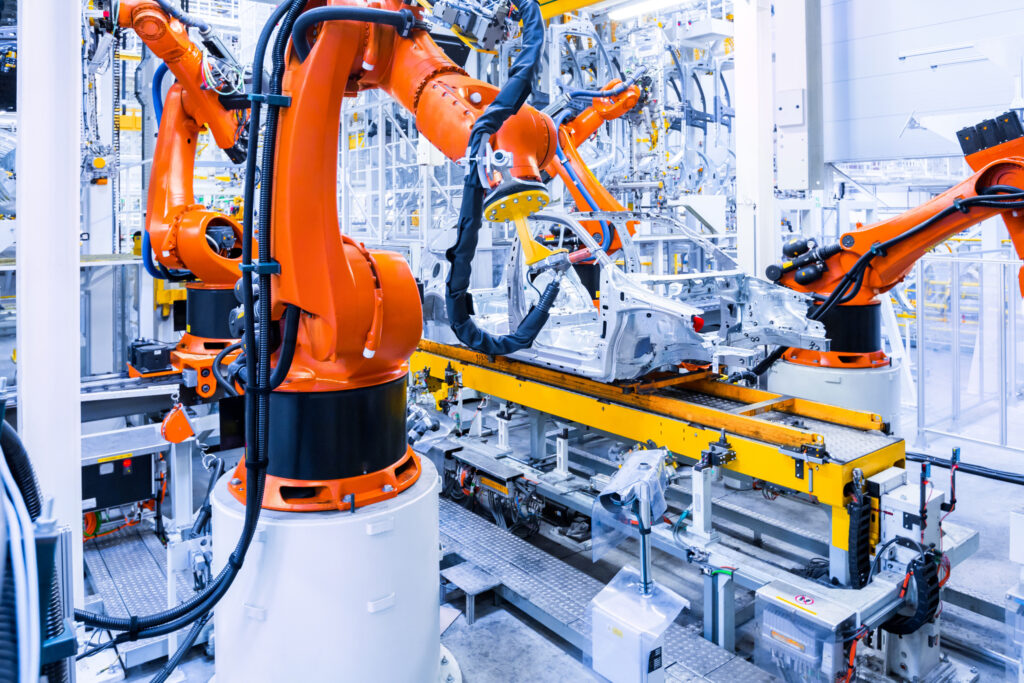
Mechanical engineering is a cornerstone of the engineering profession, touching every aspect of modern life. From the automotive and aerospace industries to robotics, renewable energy, and beyond, mechanical engineers design and optimize the systems and machinery that drive progress. The versatility of this discipline is unmatched, offering professionals a chance to work on groundbreaking projects that align with their passions and expertise.
Innovating for the Future
Our company is deeply involved in projects that span various sectors, including but not limited to, energy production, manufacturing, and infrastructure development. Mechanical engineers within our teams play a critical role in these projects, applying their knowledge to innovate and solve complex challenges. Whether it’s designing more efficient HVAC systems, improving manufacturing processes, or developing sustainable energy solutions, our engineers are making a tangible impact on the future.
A Commitment to Sustainability
Sustainability is a driving force in the engineering world, and mechanical engineers are at the heart of this movement. By focusing on energy efficiency, renewable energy technologies, and sustainable materials, mechanical engineers are helping to create a more sustainable future. Our company is committed to these goals, and our mechanical engineer jobs provide our engineers with opportunities to work on projects that have a positive environmental impact.
Career Opportunities and Growth
Our company offers a dynamic and supportive environment where mechanical engineers can pursue their career goals. Here are just a few of the opportunities and benefits we provide:
Diverse Project Experience
Working across the United States, our engineers gain experience on a wide array of projects. This diversity not only enhances their skills but also broadens their understanding of the field, opening up new pathways for specialization and leadership.
Professional Development
We believe in the continuous growth of our team members. Our company offers professional development programs, including certifications, workshops, and seminars, to help our engineers stay at the forefront of technological and industry advancements.
Collaborative Culture
Innovation thrives in a collaborative environment. Our engineers work alongside experts from various disciplines, fostering a culture of learning and idea exchange. This multidisciplinary approach not only leads to better solutions but also enriches the professional experience of our engineers.
Leadership and Advancement
As Hukari Ascendent grows, so do the opportunities for our engineers to advance in their careers. We recognize and reward talent, offering clear paths to leadership positions and encouraging our engineers to take on new challenges and responsibilities.
Join Our Team and Shape Your Future
The mechanics of success in mechanical engineering careers lie in the opportunities to innovate, grow, and make a difference. Our company is not just a workplace; it’s a launching pad for engineers who aspire to lead and excel in their field. If you’re a mechanical engineer ready to take your career to the next level, we invite you to join our team. Together, we can continue to build a brighter, more sustainable future through the power of engineering.
How to Troubleshoot Common Issues in Hybrid Cars
Hybrid cars are known for their fuel efficiency and eco-friendliness. They have become quite popular in recent times as they offer a cleaner and more efficient alternative to traditional gas-powered vehicles. However, like any other technology, hybrid cars can also face common issues and may breakdown unexpectedly. This can be frustrating, especially if you rely on your hybrid car for your daily commute. If you own a hybrid car and want to learn how to troubleshoot common issues, then this blog post is for you.

Battery Issues:
One of the most common issues in hybrid cars is battery-related. The battery in a hybrid car is responsible for powering the electric motor, and if it’s not functioning correctly, the car’s performance may suffer. If you notice that your hybrid car is using more fuel than usual or if the battery seems to be draining quickly, then it’s likely a battery issue. To troubleshoot this issue, you must have the battery checked by a hybrid car battery Denver service professional and ensure that it’s charging correctly.
Overheating:
Another common issue in hybrid cars is overheating. Overheating can occur if there is a leak in the coolant system or if there’s a problem with the radiator or fan. To prevent overheating, make sure that your engine coolant levels are sufficient, and the coolant system is free from leaks. It’s also essential to keep an eye on your car’s temperature gauge and take action if you see it consistently running high.
Brake Issues:
The braking system in a hybrid car is different from a traditional gas-powered vehicle. Hybrid cars use regenerative braking, which means that the vehicle converts the kinetic energy of motion into electricity to recharge the battery. However, if the brake pedal feels more spongy than usual, it could indicate a problem with the brake system. To troubleshoot this issue, you should have your brakes checked by a professional, and make sure that your brake pads are in good condition.
Electrical Issues:
Hybrid cars rely heavily on the electrical system to function correctly. If there’s a short circuit or a malfunction in the electrical system, it can cause several issues with the vehicle’s performance. Some of the signs of an electrical issue include flickering lights, audio system malfunction, or the car not starting at all. To troubleshoot this issue, you may need to have the car’s electrical system checked by a professional and have any damaged or faulty components replaced.
Transmission Issues:
Transmission issues can also occur in hybrid cars. These can include jerky or inconsistent shifting or failure to shift gears. To troubleshoot this issue, you should have your transmission inspected by a professional, and ensure that the transmission fluid levels are sufficient.
Owning a hybrid car can be a fantastic experience, but like any other vehicle, it can also face common issues. By keeping an eye out for warning signs and taking your car for regular maintenance, you can prevent your car from facing a more significant issue. The tips shared in this blog post should help you troubleshoot some of the common issues that hybrid cars can face. If you encounter any issues that you’re unsure how to fix, then don’t hesitate to reach out to a professional for help. Getting your vehicle repaired by a knowledgeable and experienced mechanic will save you time, money, and give you peace of mind.
Different Artificial Grass Options: A Guide

Artificial grass has become a popular alternative to natural grass because of its durability, low maintenance, and water conservation benefits. It’s an excellent choice for people who want a lush, green lawn without the hassles of watering, mowing, and fertilizing. Let’s explore the different types of artificial grass available in the market and help you choose the best option for your needs.
Nylon Artificial Grass
Nylon artificial grass is the most durable and resilient option available in the market. It’s ideal for high traffic areas, and it retains its shape even after years of use. Nylon grass has high melting points, making it resistant to high temperatures, perfect for areas with a lot of sun exposure.
Polyethylene Artificial Grass
Polyethylene is the most common material used in artificial grass, known as PE. It is soft underfoot and has excellent resistance to fading, making it an ideal option for sunny locations. However, it is not as durable as nylon, and it can flatten over time in areas with high foot traffic.
Artificial Turf:
Artificial grass with thatch is an excellent option for people who want a natural-looking lawn that mimics the feel of natural grass. Thatch is the layer of dead organic matter on the surface of natural grass. This option combines polyethylene or nylon with thatched blades, giving it a realistic appearance. It’s perfect for homeowners who want a lush-looking lawn without the maintenance requirements.
Artificial grass is an excellent option for homeowners who want a lush-looking lawn without the maintenance hassles, and it is also suitable for commercial use. The key is to choose the right type of artificial grass for your needs. Each artificial grass option has its unique properties, so it’s essential to determine your priorities, whether it’s durability, budget, or realistic appearance. Once you have figured out your needs, you can contact a reputable Denver artificial lawn company to help select the right option with you. With the right choice, you can enjoy a beautiful lawn for years to come without worrying about maintenance or water conservation.
Satisfying Your Customers With Quality Products from Wholesalers

In today’s competitive market, the success of your business greatly depends on the satisfaction of your customers. One of the most effective ways to maintain customer satisfaction is to ensure that you’re providing them with quality products. While quality should always be your top priority, buying from wholesalers can help you save money in the long run without compromising quality. This blog post is all about how you can satisfy your customers with quality products from wholesalers.
Understand your customers’ needs – Before you start sourcing products from wholesalers, it’s important to understand what your customers want. You can gather information about your customers’ preferences through surveys, feedback forms, and social media. Once you have a clear understanding of your customers’ needs, you can start looking for quality products that meet those needs.
Research wholesalers – There are countless wholesalers out there, and not all of them offer quality products. That’s why it’s important to do your research and find reputable wholesalers that specialize in the products you need. Look for Colorado wholesalers that have been in the business for a long time, have positive reviews, and offer a wide selection of quality products.
Check product samples – Before making a bulk purchase, it’s important to request product samples from the wholesaler. This will give you an idea of the quality of the products you’ll be selling to your customers. Make sure to thoroughly check the samples for quality, durability, and any other defining features that are important to your customers.
Keep quality in mind, not just price – While saving money is important, it’s equally important to keep quality in mind when dealing with wholesalers. Don’t compromise on quality just to save a few bucks. Your customers will notice if the products you’re selling them are cheaply made. Remember, quality products lead to satisfied customers, and satisfied customers lead to repeat business.
Build relationships with your wholesalers – Once you find a reputable wholesaler that offers quality products, it’s important to build a strong relationship with them. This can help ensure that you always receive quality products from them and that they prioritize your needs. You can build relationships by providing the wholesaler with regular business, communicating your needs clearly, and making timely payments.
In conclusion, satisfying your customers with quality products from wholesalers requires a bit of effort and research. But the payoff is immense, as it can lead to increased customer satisfaction, repeat business, and ultimately, the success of your business. By understanding your customers’ needs, researching wholesalers, checking product samples, keeping quality in mind, and building relationships with your wholesalers, you can ensure that you’re providing your customers with the best products possible.
Securing Efficiency in Harsh Climates: Ice Protection in Wind Turbines

In the face of global energy demand and environmental concerns, sustainable energy solutions such as wind power have taken center stage. Wind turbines, the workhorses of this renewable energy source, are expected to perform under a variety of conditions, including the harshest of climates. However, cold and icy environments present unique challenges, notably ice formation, which can significantly hamper turbine efficiency and safety. This presents a need for effective ice protection systems for wind turbines.
Ice accumulation on wind turbine blades can drastically impact their aerodynamic performance, leading to reduced energy output and potential safety hazards. Traditional mitigation strategies, including mechanical de-icing, have proved to be costly and time-consuming. However, the advent of icephobic solutions — specifically designed coatings that repel ice — have redefined how we approach these challenges.
Icephobic coatings work by forming a protective, water-repelling layer over wind turbine blades, preventing ice accumulation and ensuring that the blades maintain their aerodynamic shape for optimal energy generation. This innovation has significantly reduced the frequency and cost of de-icing operations, resulting in wind turbines that can operate continuously with minimal downtime, even in icy conditions.
Beyond operational efficiency, wind turbine ice protection solutions contribute greatly to safety. By mitigating the risk of ice shedding and hurling — serious safety hazards in icy climates — these coatings contribute to a safer environment for both operational staff and surrounding communities.
As we look forward to the future of sustainable energy, the development of even more advanced ice protection solutions, like superhydrophobic coatings, promises to take wind turbine efficiency and safety to new heights. These next-generation coatings offer even greater resistance to ice, securing the performance of wind turbines in even the coldest and most challenging climates.
In conclusion, securing efficiency in harsh climates through effective ice protection measures is crucial in the world of wind energy. Icephobic solutions and their ongoing advancements underscore our commitment to not only harness the power of the wind, but to do so in a manner that is reliable, efficient, and above all, safe. This pursuit of ice protection in wind turbines marks a key stride towards a more sustainable and resilient future.
Pseudotumor Cerebri Explained

Have you heard a lot of confusing things about pseudotumor cerebri and are not sure what the diagnosis really means? You are not alone, as we are talking about a relatively obscure and often misunderstood condition.
What Is Pseudotumor Cerebri?
Picture this: you are minding your own business when suddenly, you are struck by intense headaches and blurry vision. It is like a mystery novel with an unexpected twist! There is a name for this enigma – Pseudotumor Cerebri. Also known as Idiopathic Intracranial Hypertension (IIH), this condition is like a master illusionist – it mimics the symptoms of a brain tumor without actually having one. It is as if your brain decided to play a practical joke on you. The pressure inside your skull increases, causing symptoms such as pounding headaches, vision disturbances and even a whooshing sound in your ears. Sneaky, isn’t it? And yet, there is no tumor involved – which is the only great thing about it. The pressure build-up occurs due to an imbalance in the production and absorption of cerebrospinal fluid. This mischievous puzzle often leaves doctors scratching their heads…
What Causes Pseudotumor Cerebri?
The exact cause of pseudotumor cerebri is still unknown, though research does indicate that certain factors can increase the risk of developing the disorder. Those factors include being overweight, female, taking high doses of steroid medications, having polycystic ovary syndrome, a disrupted hypothalamus-pituitary-adrenal activity, abnormal vitamin D metabolism and genetic factors.
Symptoms of Pseudotumor Cerebri
The symptoms of pseudotumor cerebri may be varied, and can sometimes mimic a brain tumor or another serious condition. Common symptoms of PTC include headaches, temporary loss of vision, tinnitus, neck stiffness or pain, fatigue, feeling of fullness in the head, nausea, vomiting, pain behind the eyes and pulsatile tinnitus (a swooshing or pulsing sound inside your ear).
Diagnosis and treatment of Pseudotumor Cerebri
If you are experiencing symptoms associated with Pseudotumor Cerebri, it is important to visit a qualified doctor to find the cause. Diagnosis will involve a physical examination, as well as several tests, such as an MRI or CT scan, an ophthalmic exam and an analysis of your CSF. Once a diagnosis is confirmed, your doctor may prescribe medications, such as diuretics or corticosteroids, to reduce pressure from the CSF buildup. Pseudotumor Cerebri surgery may also be recommended in some cases.
Living with Pseudotumor Cerebri
Living with PTC or IIH can be challenging, as the disorder does not always respond well to treatment and can cause unpleasant symptoms. For those diagnosed with Pseudotumor Cerebri, lifestyle changes, such as losing weight, increasing physical activity, eating a healthy balanced diet, getting enough sleep and limiting alcohol and caffeine consumption can help to reduce severity of symptoms.
The bottom line: working to take control of your health
Living with Pseudotumor Cerebri can be an uphill battle, but understanding the facts and taking proactive steps towards comprehensive self-care can help affected individuals achieve a level of control. Receiving an accurate diagnosis and adhering to treatment recommendations from a qualified medical professional can be key to achieving a more comfortable and symptom-free life.
An Explanation of Paint Protection Film (PPF)
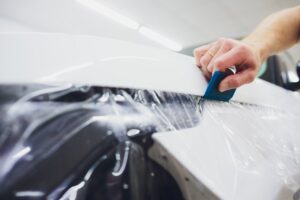
Paint protection film (PPF), also known as clear bra or clear film, is a technologically advanced material that offers a range of scientifically proven qualities when applied to just about any type of vehicle. If you already heard of the qualities of paint protection film, you might have a general idea of how it works and what it can do. However, you’ll find that the scientific explanation PPF film goes a lot deeper than most experts will care to clarify.
The Advanced Technology and Science of PPF
PPF is typically made from a thermoplastic urethane (TPU) film. TPU is a highly durable and flexible material that provides excellent resistance to impacts, abrasion, and environmental factors. It is designed to withstand harsh conditions and protect the vehicle’s paint from damage. So whether you drive your car through extreme heat or a challenging storm, the paint work will likely be perfectly protected.
The film is engineered to be optically clear, allowing the paint color and finish of the vehicle to show through without sacrificing on quality or style. Advanced manufacturing techniques and high-quality materials ensure that the film remains nearly invisible when applied properly. This clarity ensures that the protective film doesn’t affect the vehicle’s appearance.
The film contains elastomeric polymers that have shape memory, which accounts for the remarkable “self-healing” capabilities associated with PPF. The chemistry and physics behind this process is quite fascinating. Suffice it to say that, when the surface of the film is scratched or marred, the polymers are actually designed to rearrange themselves and fill in the gaps, effectively healing the damage. This property helps maintain the film’s clarity and smoothness over time, even without the need to physically repair any of the small cuts or imperfections that your car might sustain over time.
As an added bonus, PPF Denver shops do can be precisely cut and applied to fit the specific contours of a vehicle. Computer-aided design (CAD) software and templates are used to create custom patterns for each vehicle model. This allows for seamless installation and optimal coverage, ensuring that vulnerable areas of the vehicle are adequately protected.
What Is the End Result?
If you tend to drive in warm areas a lot, you should know that PPF provides excellent protection against ultraviolet (UV) radiation. It contains UV stabilizers that prevent the film from yellowing or degrading over time when exposed to sunlight. This UV resistance helps preserve the film’s clarity and prevents the underlying paint from fading or discoloration.
PPF is also engineered to withstand impacts from small road debris, stones, and other hazards. Due to its special polymers, the film absorbs the impact and distributes the force, minimizing the chances of paint chipping or scratching. Its high tensile strength and impact resistance properties help protect the vehicle’s paint from damage.
You’ll find that the technology also offers resistance to a wide range of chemicals, including solvents, acids, and alkalis. This property ensures that the film is not easily damaged by common automotive cleaning products or environmental contaminants. It helps maintain the integrity of the film and prevents discoloration or degradation.
The end result is a protective film that seems straight out of the most exciting Sci-Fi or spy movies. It can withstand the rigors of daily driving, including exposure to road debris, weather conditions, and frequent washing. High-quality PPF products can last for several years, providing a remarkable level of protection for your vehicle’s paint.
How Climate Control Units Can Help
Are you looking for the best quality solutions when it comes to self storage? Aside from the most essential safety solutions, climate control is considered to be the most essential feature for dealing with the storage of the most sensitive, fragile or valuable items that you might want to consider storing sfely in a special storage unit.
How Climate Control Works
So, how does climate control actually work and what can it help you with? Climate control in storage units refers to the use of heating, ventilation, and air conditioning (HVAC) systems designed specifically to maintain a stable and controlled temperature and humidity level inside the unit. This type of storage is often used for items that are sensitive to temperature and humidity fluctuations, such as antique furniture, artwork, electronics, and musical instruments.
The HVAC systems used in climate-controlled storage units typically regulate the temperature to stay between 55 and 85 degrees Fahrenheit and maintain a relative humidity level of around 50%. The units also often feature superior insulation to reduce the amount of heat exchange between the inside and outside of the unit, and some facilities may provide dehumidifiers to keep the air inside the unit dry.
Climate controlled storage College Station area facilities aim to prevent damage to stored items that could be caused by extreme temperature changes, high humidity levels, or exposure to dampness or mold. This can help ensure that the items stored in the unit are protected and preserved for a longer period of time.

Practical Benefits and Uses
The main benefits and uses of climate control in storage units include primarily the protection of sensitive items, the prevention of mold, the ability to protect against insects and other pests, and the significant improvement of air quality inside the unit.
Climate control is particularly useful for storing items that are sensitive to temperature and humidity fluctuations, including sensitive electronics, old antiques and fragile memorabilia. By maintaining a stable temperature and humidity level, these items are better protected from damage that could be caused by extreme changes in temperature and humidity.
High humidity levels can lead to the growth of mold and mildew, which can cause damage to stored items and create unpleasant odors. Climate control helps prevent mold and mildew by maintaining a relative humidity level of around 50%, which is below the level at which mold and mildew are likely to grow.
Pests such as insects and rodents can be attracted to items stored in areas with high humidity. Climate control helps to prevent these infestations by maintaining low humidity levels, thereby making the storage environment less hospitable to these pests.
Finally, it’s worth pointing out that climate control is of great help when it comes to improving air quality by circulating air inside the storage unit and removing moisture. This action can help prevent the growth of mold and mildew and reduce the presence of musty odors.
Peace of mind: By providing a controlled and stable storage environment, climate control gives people peace of mind when storing their valuable items. They can be confident that their items are protected from damage caused by temperature and humidity fluctuations, pests, and other environmental factors.